
To thoroughly address this industry pain point, SINOTEST Equipment Co., Ltd. has independently developed an ultra-low temperature tensile testing machine. It provides the industry with a reliable test platform for stably simulating extreme low-temperature service environments, and opens up new approaches for the research on low-temperature mechanical properties of materials.
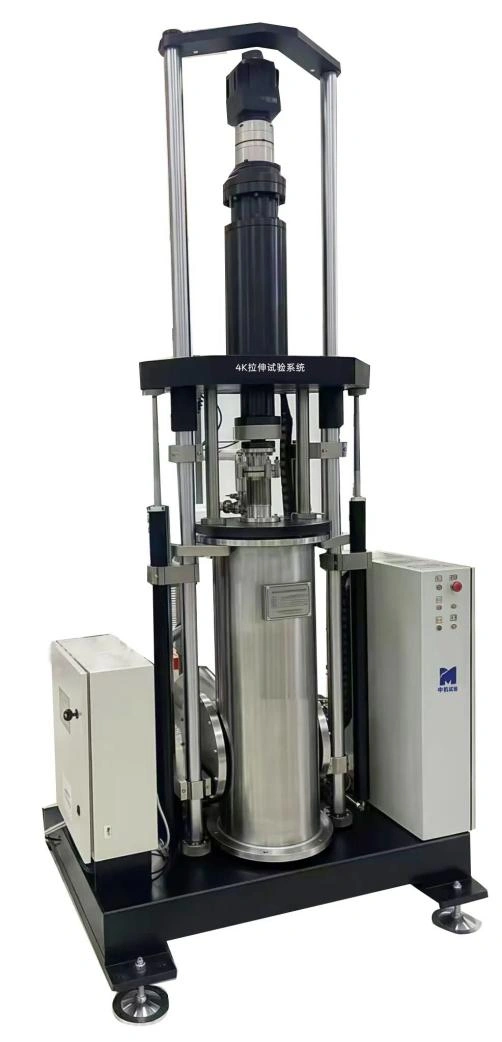
The greatest advantage of SINOTEST ultra-low temperature tensile testing machine lies in its high-precision temperature control performance.
During the test, the equipment maintains a uniform and stable low-temperature environment with a temperature control accuracy of ±0.5℃, effectively preventing test data distortion caused by temperature fluctuations.
Its outstanding temperature control capability provides solid support for long-term tests, including research on material low-temperature phase transition, brittle transition temperature and stress relaxation.
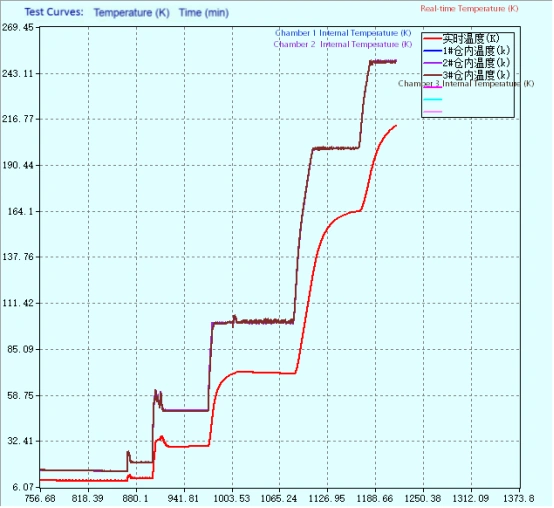
The equipment also features a wide temperature range, high precision and digitalized performance.
Equipped with advanced low-temperature refrigeration and sensing systems, it covers temperatures from ambient down to **-253°C** and even lower liquid helium temperature ranges.
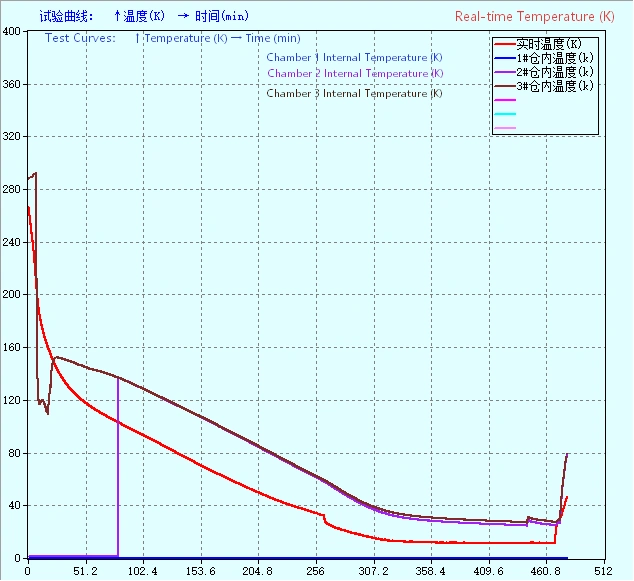
The equipment adopts a full-closed-loop servo control system, enabling multiple loading modes to cover the mechanical behaviors of materials at various stages under low-temperature conditions, including elasticity, plasticity and fracture.
It is also equipped with high-sensitivity force sensors with a force accuracy better than ±0.5%. Its micron-level displacement measurement resolution accurately captures subtle deformations of specimens during tension, achieving high-precision low-temperature mechanical property testing.
During testing, the system can display and automatically save data such as stress-strain curves and load-displacement curves in real time. It supports in-depth analysis of single tests and comparative studies of multiple datasets, realizing full-process digitalization and traceability, which strongly supports material process optimization and performance evaluation.
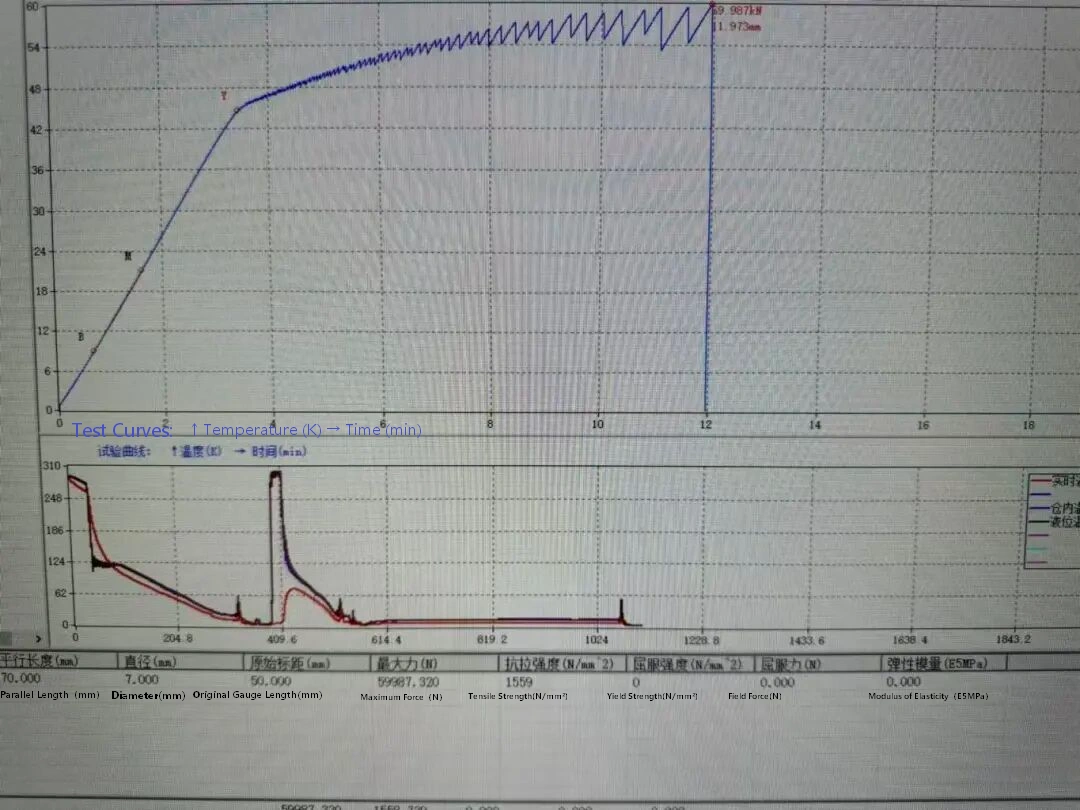
SINOTEST ultra-low temperature tensile testing machines enjoy a wide range of applications, delivering stable cryogenic test data for various material systems including metals, alloys, polymer composites, ceramics and more.
These instruments serve not only basic scientific research such as exploring low-temperature phase transitions of materials and correlating microstructures with macroscopic properties, but also provide critical data support for material selection and engineering applications in cutting-edge fields including aerospace and cryogenic engineering. They serve as essential R&D tools ensuring the safe and reliable operation of major equipment under extreme environments.
 English
  Spanish
  Russian