Industry Standard – Plastics – ISO 11193

ISO 11193 Testing on gloves made of rubber

It specifies requirements for packaged sterile, or bulked non-sterile, rubber gloves intended for use in medical examinations and diagnostic or therapeutic procedures to protect the patient and the user from cross-contamination. It also covers rubber gloves intended for use in handling contaminated medical materials and gloves with smooth surfaces or with textured surfaces overall or part of the glove. This standard is intended as a reference for the performance and safety of rubber examination gloves. It does not cover the safe and proper usage of examination gloves and sterilization procedures with subsequent handling,packaging and storage procedures.

To ensure the required functional safety and to ensure that the single-use gloves offer and maintain an adequate level of protection, they are tested according to ISO 11193-1, ISO 11193-2 and DIN EN 455-2.

Specimen preparation

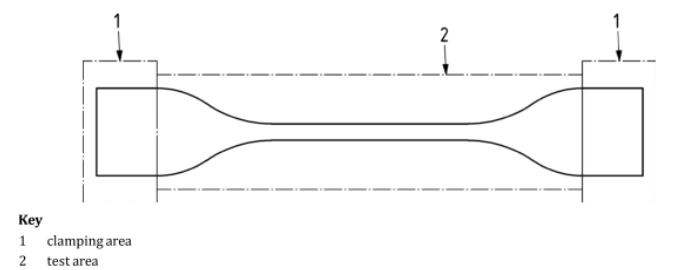
According to ISO 11193, three dumbbells are taken from the palm or back of the hand of a glove.

According to DIN EN 455-2, gloves are taken from each batch, from which one dumbbell specimen is to be blanked from the inside of the glove, the back of the hand or the glove cuffs. NOTE: The direction of the cut should be parallel to the longitudinal axis and structured areas should be avoided. And specimens must not have any folds or creases.
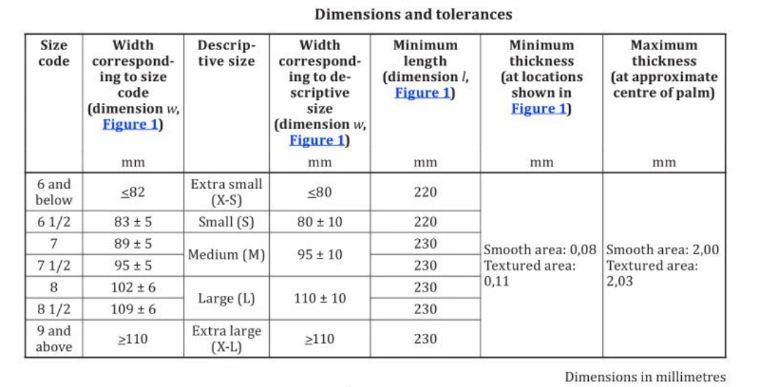
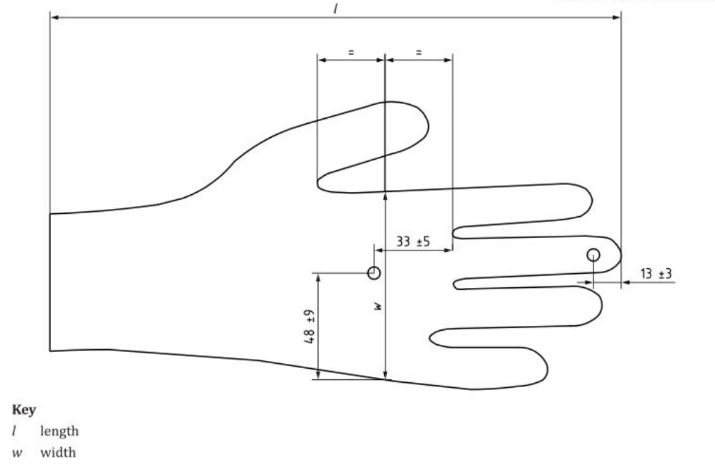
ISO-11193-1

ISO-11193-2ISO-11193-3

Basic testing info

ISO 11193-1 describes two different types of rubber gloves:

Type 1: Gloves made mainly of natural rubber latex.

Type 2: Gloves made of other rubber solutions.

ISO11193-2 focuses on rubber gloves made of PVC:

The tensile stress-strain properties must be determined according to ISO 37 in a tensile test.

DIN EN 455-2:

The dumbbells are clamped in a materials testing machine and pulled at a test speed of 500 mm/min until break. The force at break is determined in Newtons. The median of the results must meet the minimum values defined in the standard.

For more details please refer to the standard documents.

Оставьте комментарий

Ваш адрес email не будет опубликован. Обязательные поля помечены *

ru_RURussian