Automated testing system

ГЛАВНАЯ>>Статические испытательные системы>>Automated testing system

Automated testing system

Универсальные испытательные системы для испытаний на растяжение, сжатие и изгиб.

What is automation?

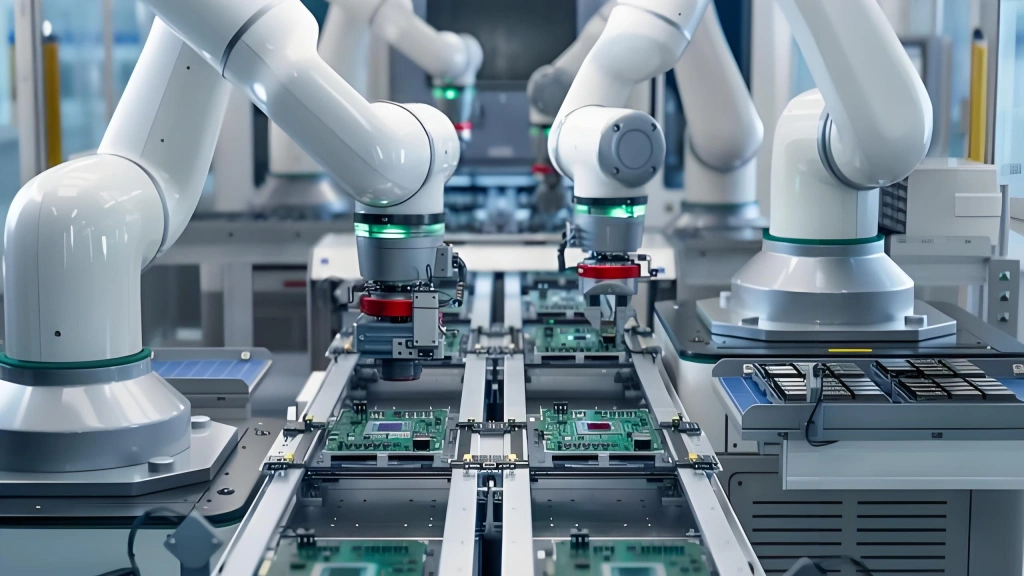
Automation refers to the process of using technological means such as machinery, electronics, computers, sensors, and control systems to enable machines, systems, or processes to automatically complete detection, information processing, judgment, and control according to predetermined rules and requirements without human or minimal human intervention, in order to achieve expected goals. Its core goal is to improve efficiency, accuracy, and safety, reduce labor dependence and costs, and is the key technological foundation for the intelligent development of modern industry, service industry, and even daily life.

Why should mechanical testing be automated?

The mechanical material testing method based on traditional flat and round specimens have disadvantages such as requiring a large amount of manpower, high labor intensity, poor working environment, easy sample mixing during the operation process, inability to achieve full process supervision and traceability, and the skill level of operators has a significant impact on data accuracy.

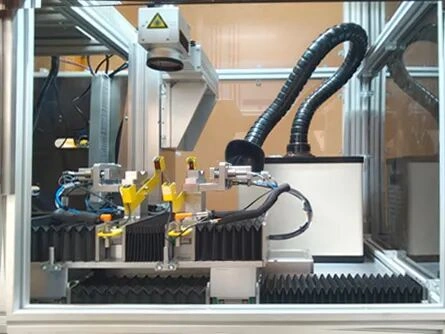
Combining technologies such as visual recognition, industrial robotic arms, laser cutting, and AGV (Automated Guided Vehicle) logistics, connecting processes such as laser cutting sample preparation, machine tool sample preparation, and testing machine inspection for unmanned and intelligent testing is currently the development trend of sheet metal mechanical performance testing.

What can we do?

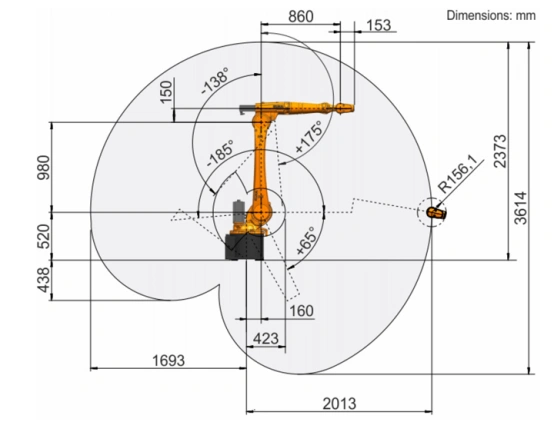
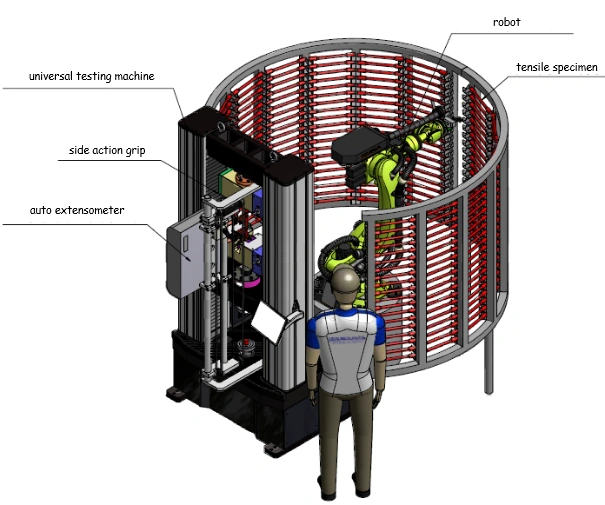
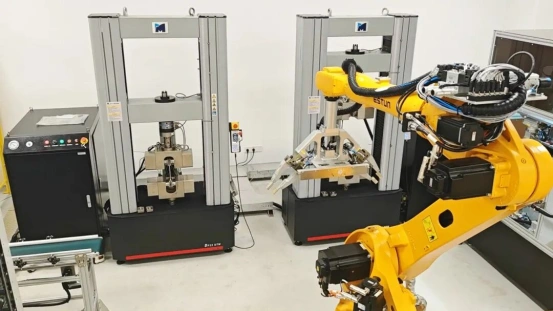
The robotic automated testing system can be used for tensile testing, compression testing, or functional testing of round or flat specimens.

Due to the modular design of the automated testing system, workstations can be added or removed according to customer needs, meeting their customized requirements and efficiently and repetitively conducting the required tests.

Core component

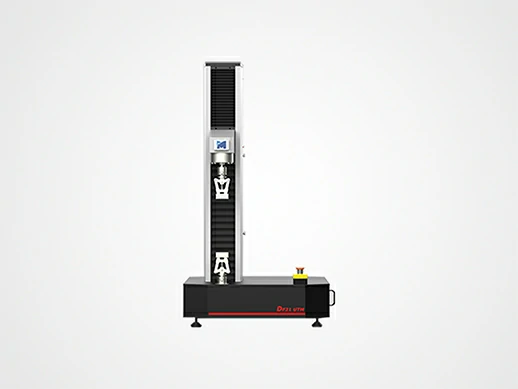
DF-21 UTM с низкой силой

Одностоечный UTM серии DF, обеспечивает нагрузку до 5 кН, доступен в стандартном и увеличенном вариантах высоты.

▪Емкость:

               DF21.502D:500N

               DF21.103D:1000N

               DF21.503D:5000N

▪Один столбец

▪Тип стола

▪Доступно множество аксессуаров

▪Доступна увеличенная высота

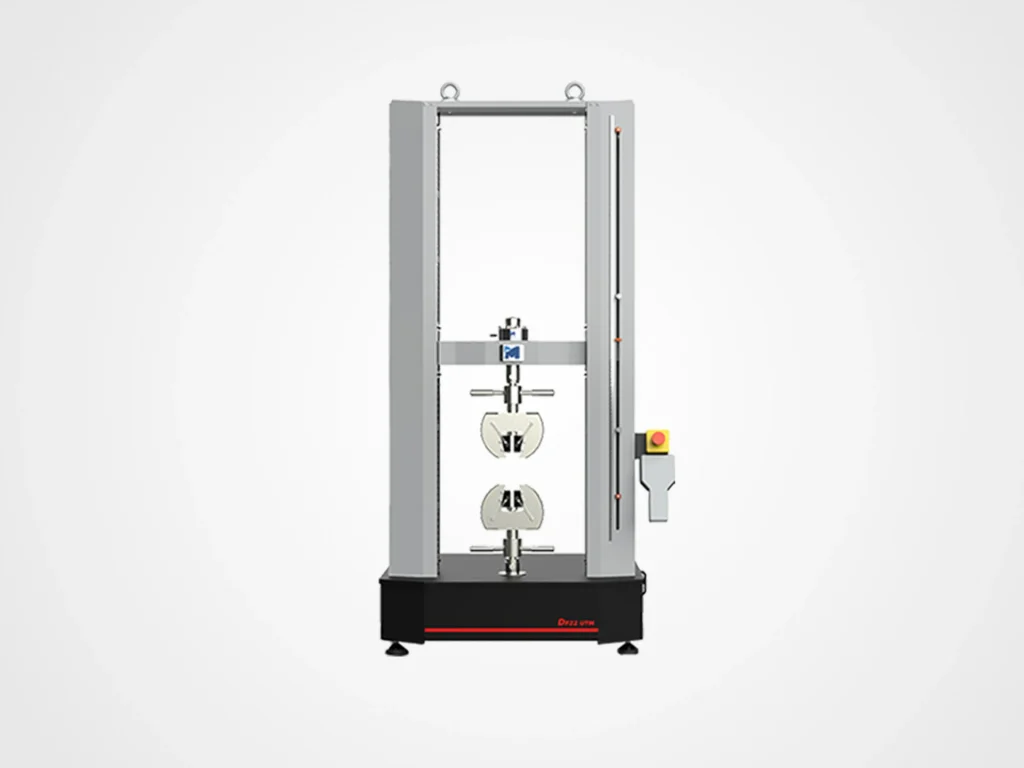
DF-22 UTM средней силы

Модели столов с двумя колоннами серии DF обеспечивают нагрузку до 50 кН и доступны в стандартном и дополнительном вариантах высоты/ширины.

▪Вместимость:

             DF22.104D:10kN

             DF22.204D:20kN

             DF22.504D:50kN

▪Двойная колонна

▪Тип стола

▪Доступно множество аксессуаров

▪Доступна увеличенная высота

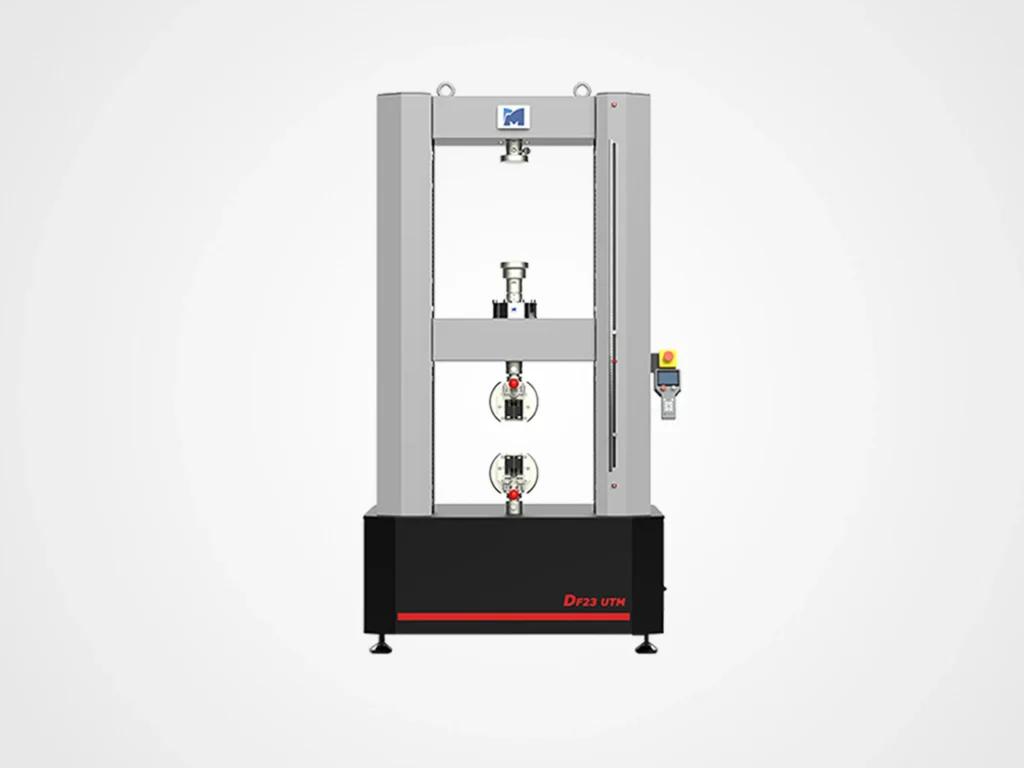
DF-23 Мощный UTM

DF series floor models provide up to 1000kN capacity available in standard, exra height/width, and tall base options.

▪Вместимость:

            DF23.105D:100kN

            DF23.305D:300kN

            DF23.605D:600kN

            DF23.106D:1000kN

▪Двойная колонна

▪Тип пола

▪Доступно множество аксессуаров

▪Возможность увеличения высоты/ширины

Control system

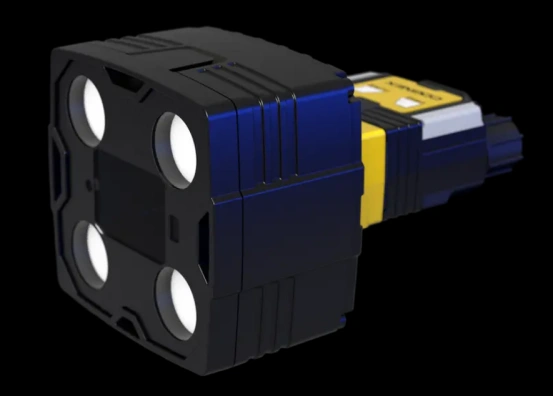
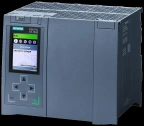
This testing system adopts a programmable logic controller (PLC) to exchange logic signals, collect digital and analog signals, and perform partial data calculations for the integrated devices (robots, vision systems, scanners, servo systems, tensile testing machines, etc.). According to the process actions, sequentially control and logically interlock each equipment.

We use internationally renowned brands such as Siemens PLC as the core of the electrical control system.

  1. High reliability: Siemens PLC adopts modern large-scale integrated circuit technology, with strict production processes and advanced anti-interference technology, ensuring its high reliability. In addition, the hardware fault self detection function of Siemens PLC can promptly issue alarm information when a fault occurs, further improving the reliability of the system
  2. Efficiency: Siemens PLC has a built-in computing module that can complete complex control tasks with higher efficiency through instructions from the CPU module. This design has higher flexibility and efficiency compared to traditional electrical control methods
  3. Easy to maintain: Siemens PLC adopts modular design, which facilitates maintenance and replacement of faulty components. In addition, the monitoring, detection, and maintenance of PLC can also be carried out through computerized programming, greatly simplifying maintenance work

AL-MES system Overview

AL-MES is a real-time information system customized for production lines, providing real-time decision-making support and bridging the planning and execution layers for manufacturing enterprises.

AL-MES consists of a set of programs sharing data, which uses special equipment such as readers and sensors to control and record the production process of parts from assembly to finished products in real time and with precision.

AL-MES collects production and processing data through barcodes, PLC, PC, and various sensors, enabling control of production processes and quality monitoring, while also collecting and statistically analyzing the production data.

ru_RURussian