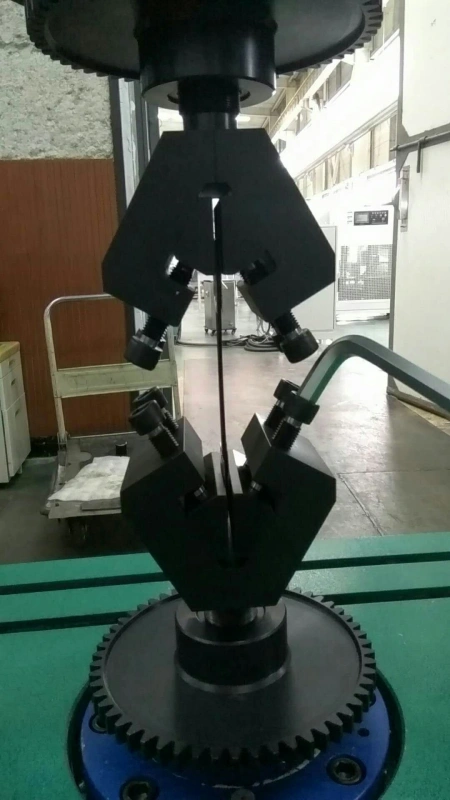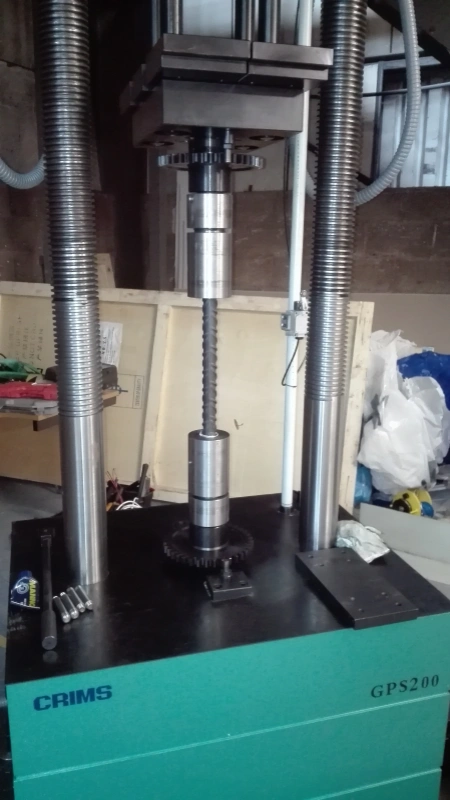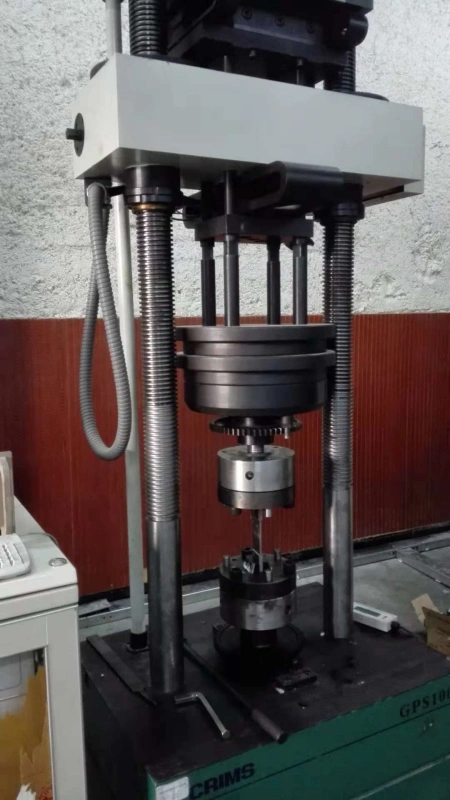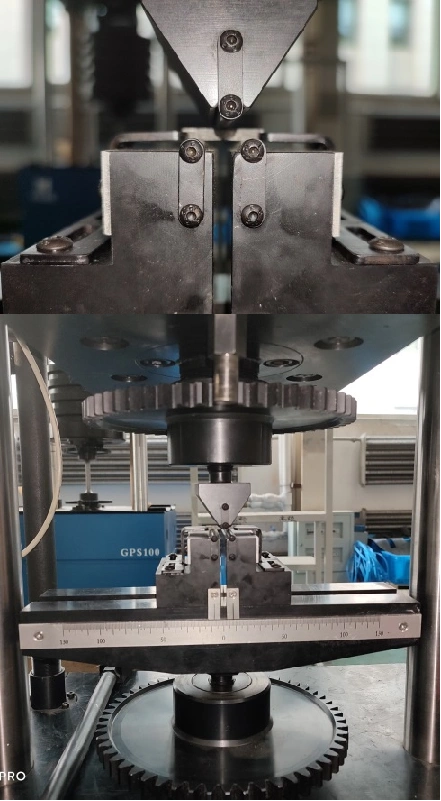
Sistemas de prueba de fatiga

Electric Fatigue testing systems

INICIO>>>>Sistemas de prueba dinámicos >>High Frequency Fatigue Testing Machine

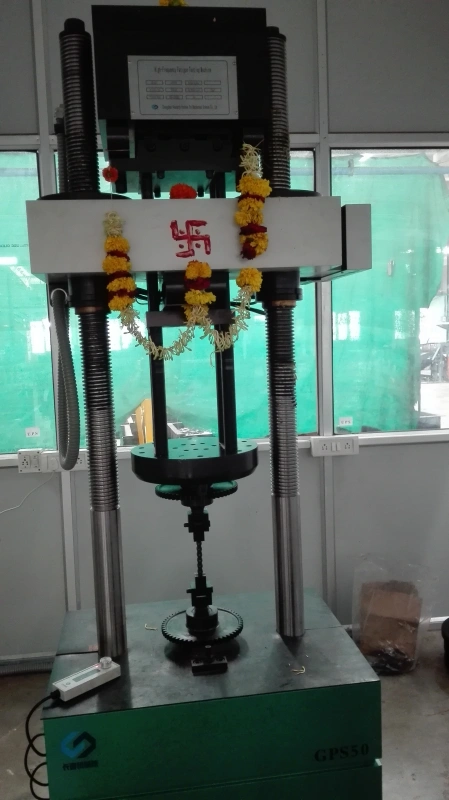
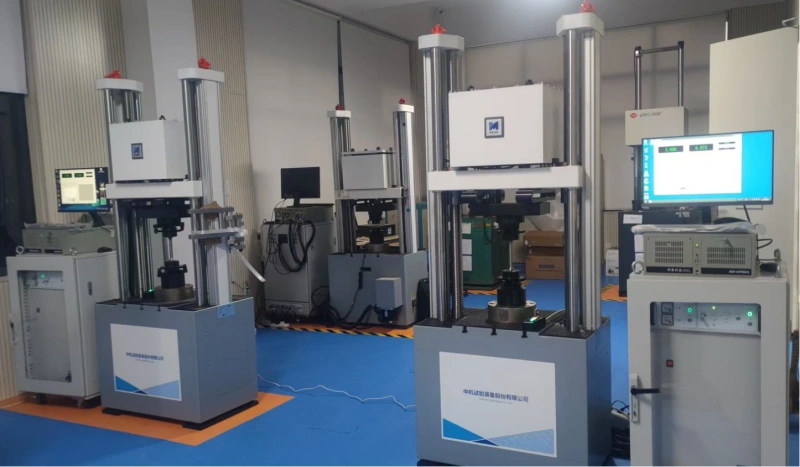
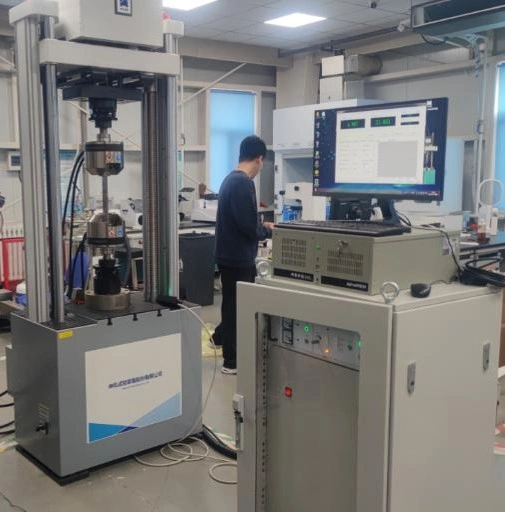
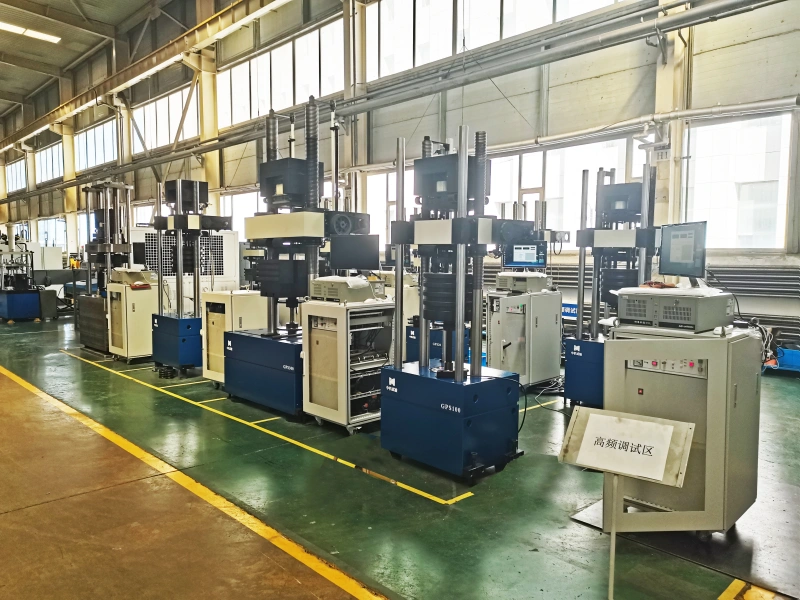
High Frequency Fatigue Testing Machine

Principalmente utilizada para pruebas de evaluación de rendimiento de materiales bajo fatiga dinámica y resistencia estática a la tracción y compresión.

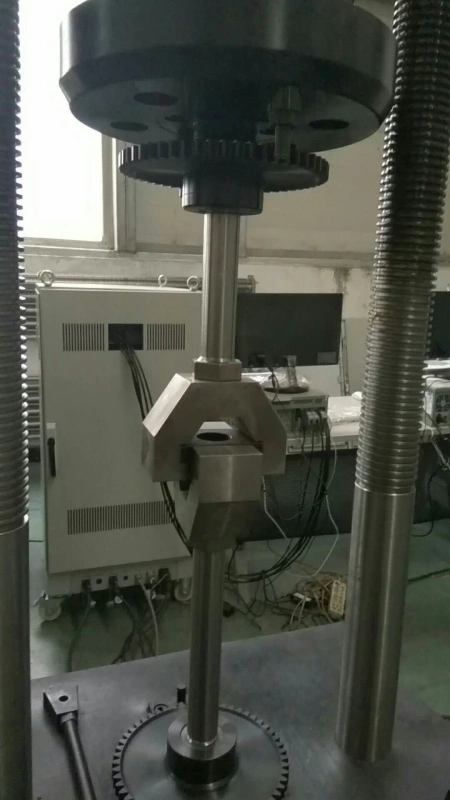
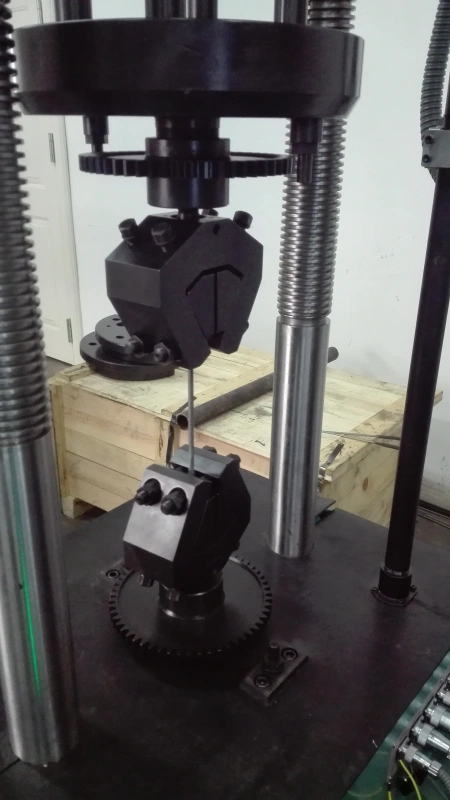
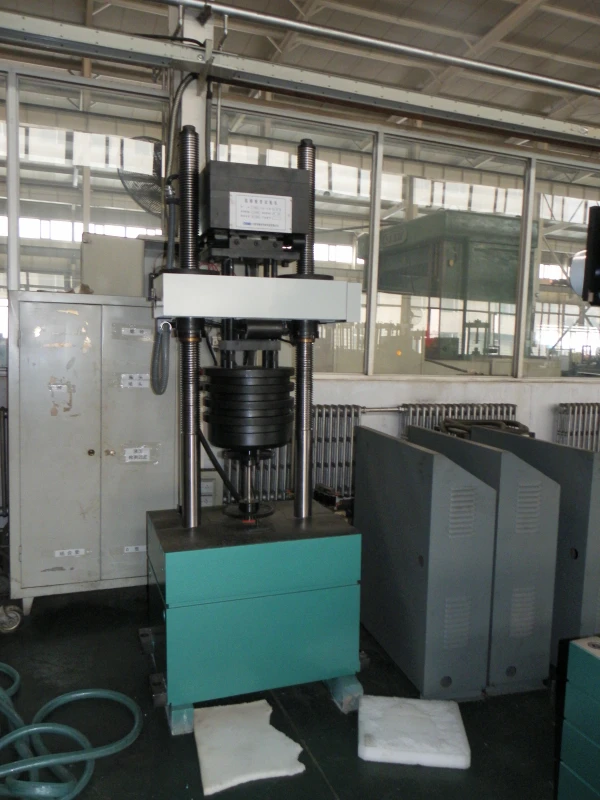
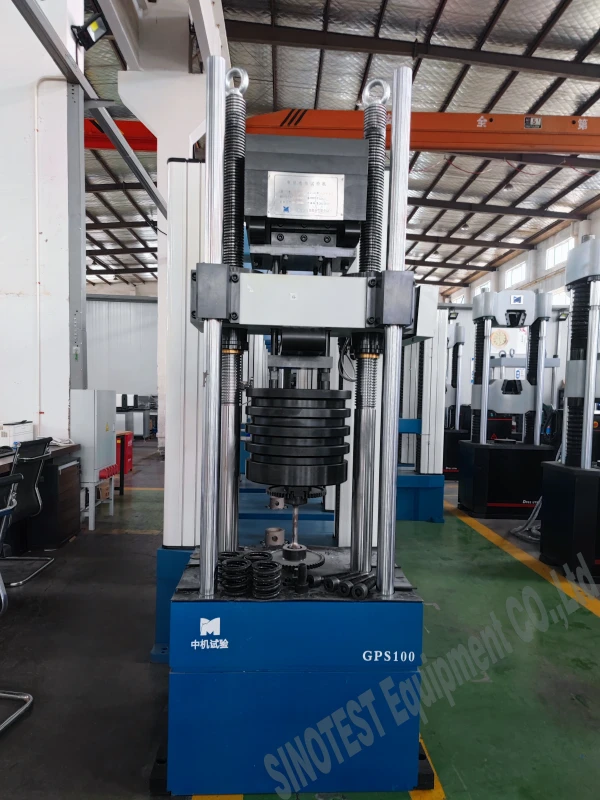
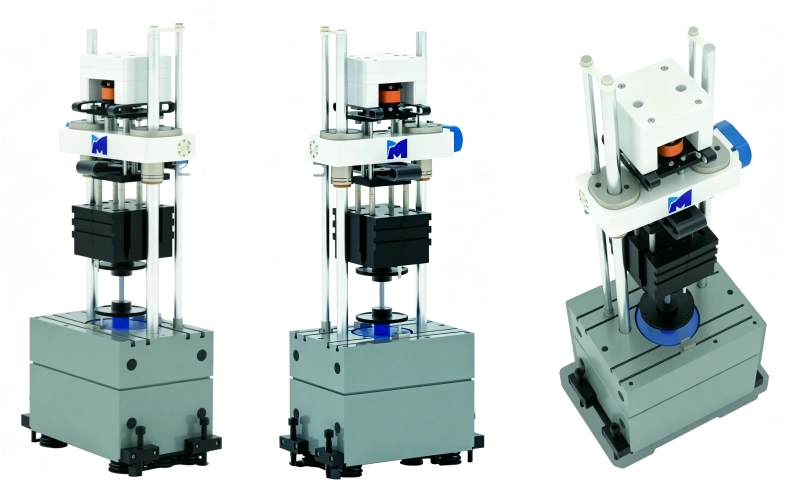
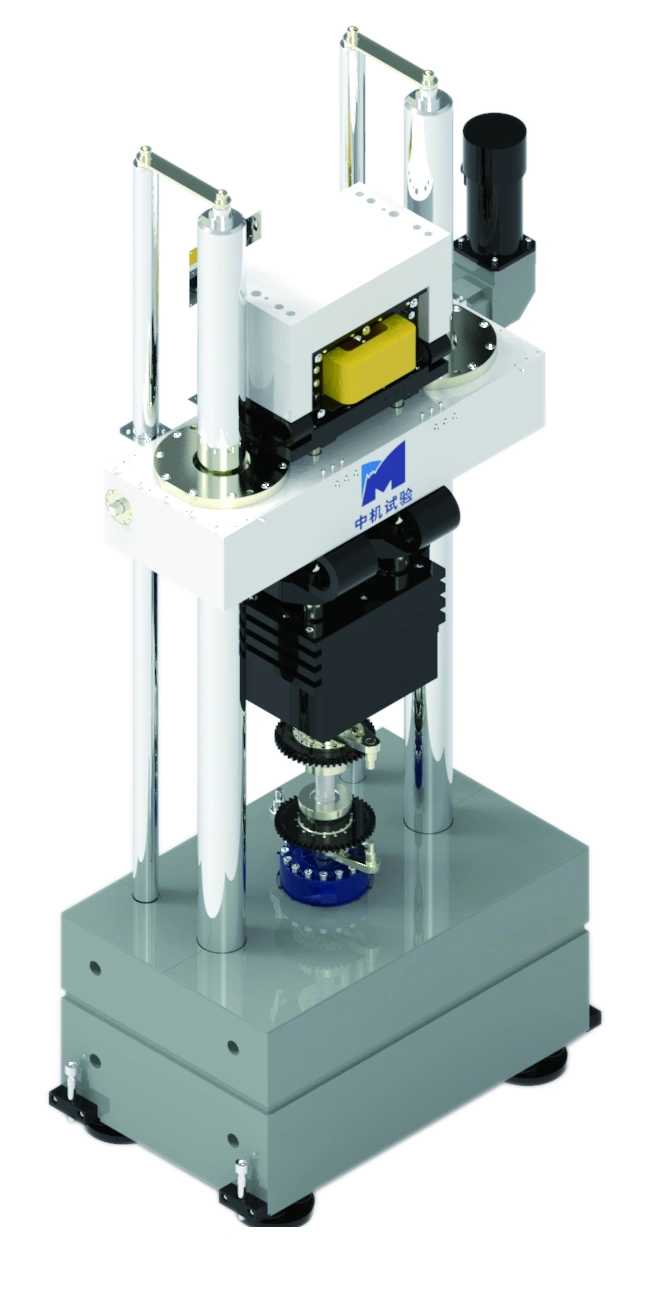
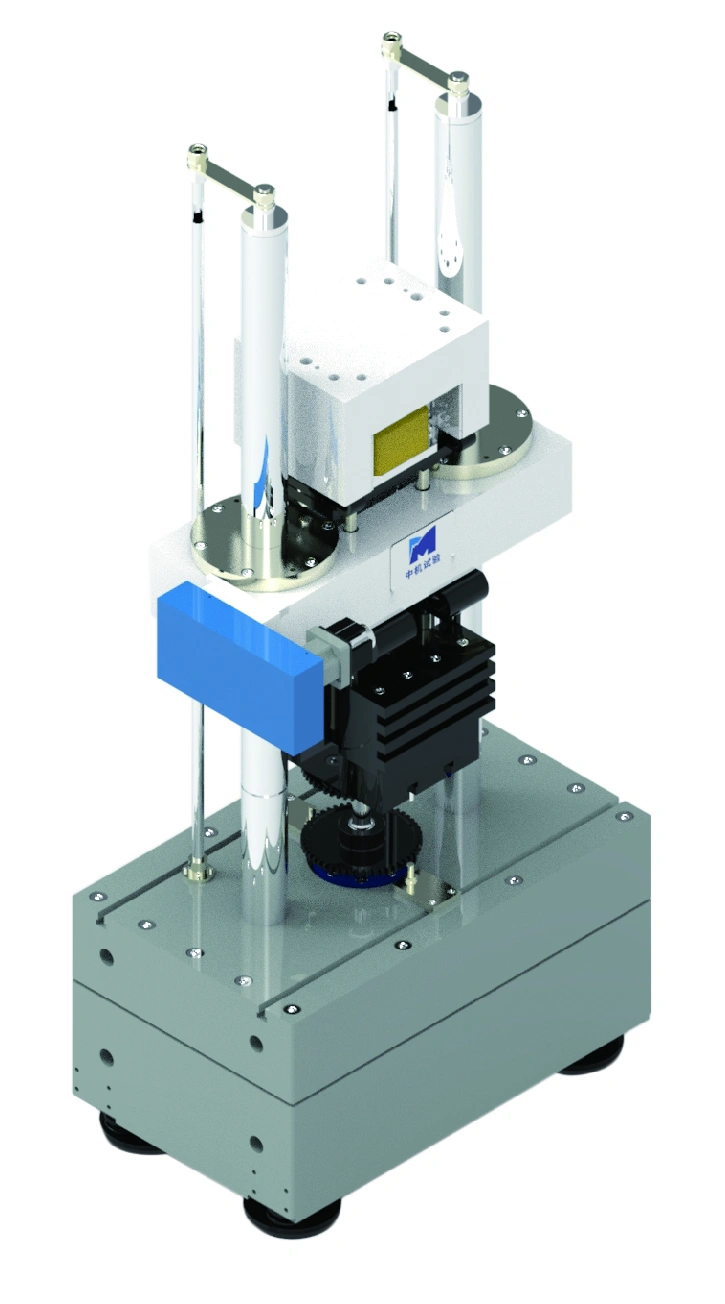
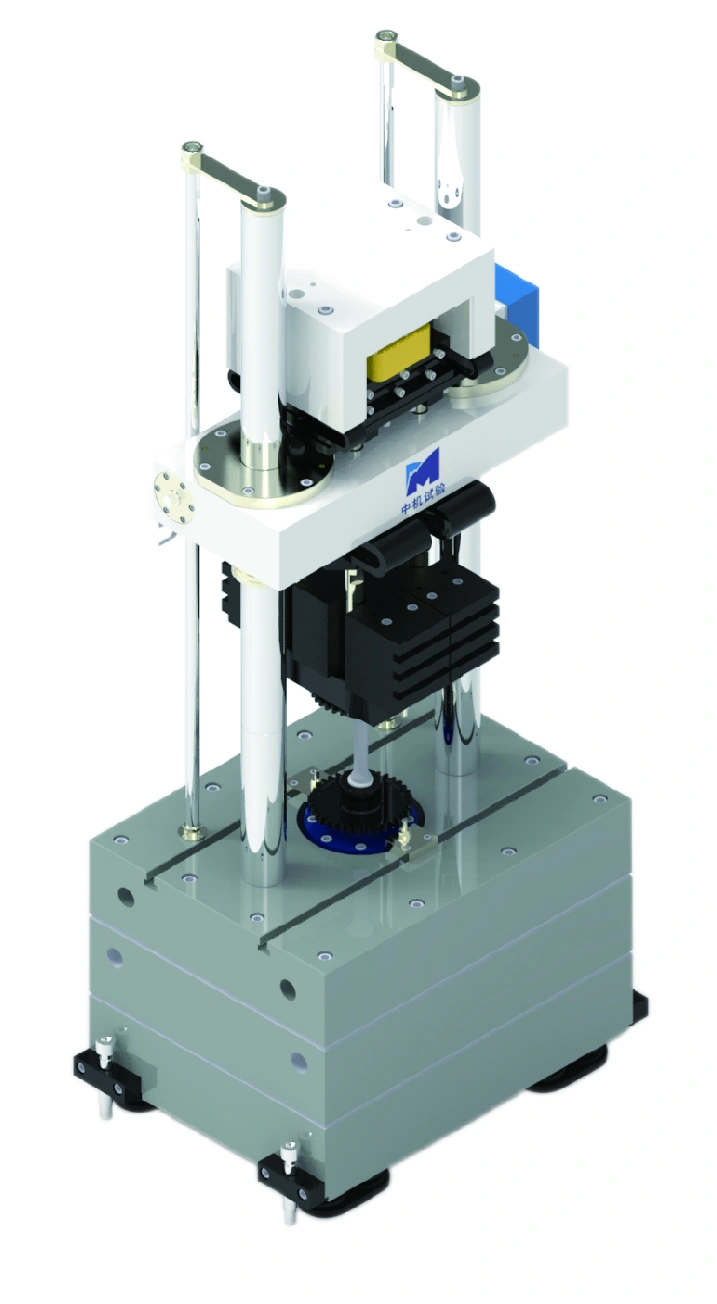
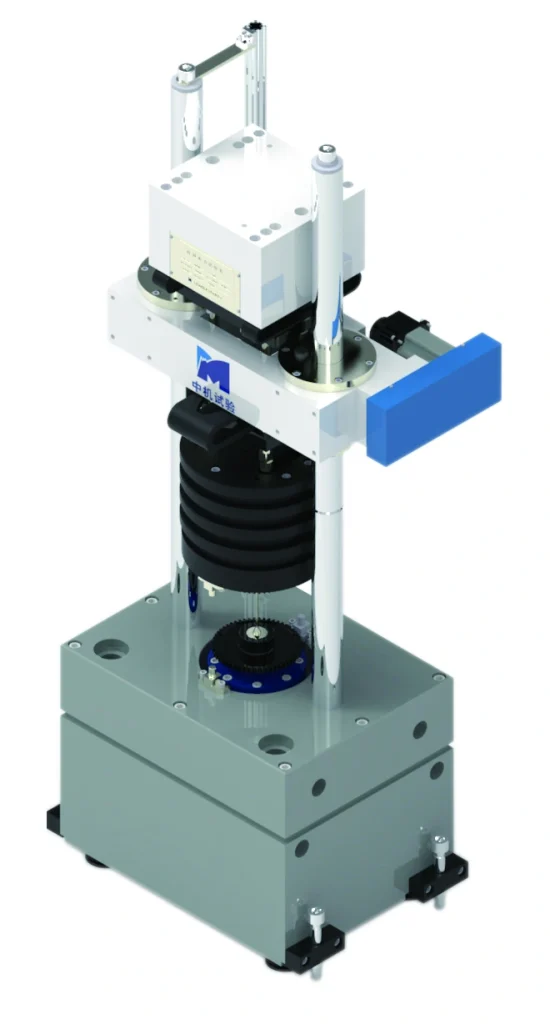
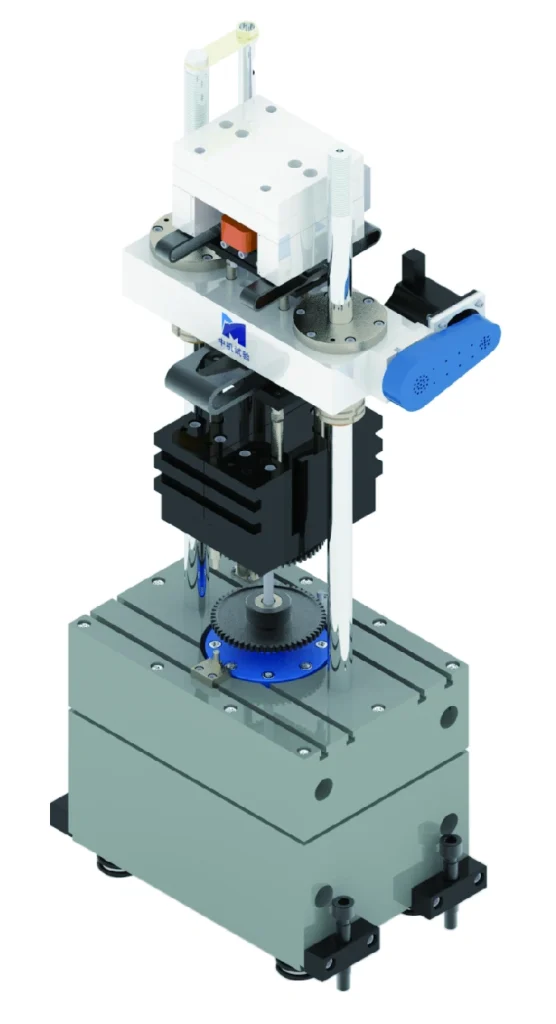
SINOTEST G series high frequency fatigue testing machine is an electromagnetic excitation resonance type fatigue testing equipment based on the principle of mechanical resonance, which tests the anti fatigue fracture performance of various metal materials and parts.

Solicitud:

symmetrical fatigue test, asymmetrical fatigue test, unidirectional pulsating fatigue test, block spectrum fatigue test, modulation control fatigue test, etc.

Test Workpieces:

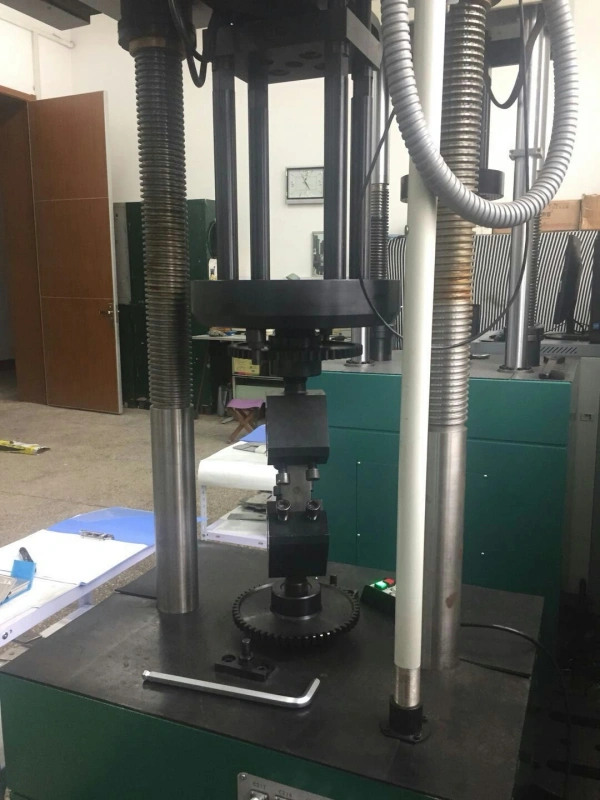
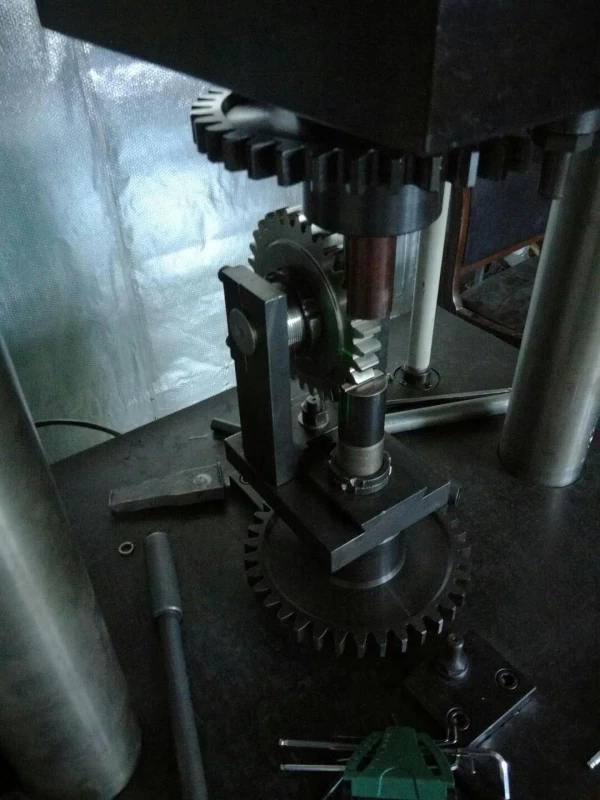
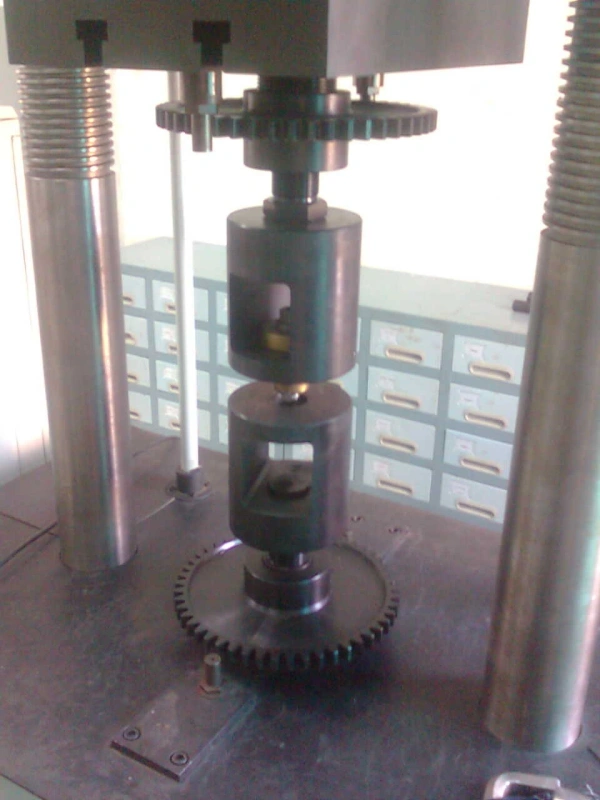
gear, bolt, chain, connecting rod, fine steel bar, etc.

Test Standards:

ISO 1099, ASTM E466, ISO 12106, ASTM E606, etc

Available model

GPS 500

GPS 300

GPS 200

GPS 100

GPS 20

Host Dimensions:
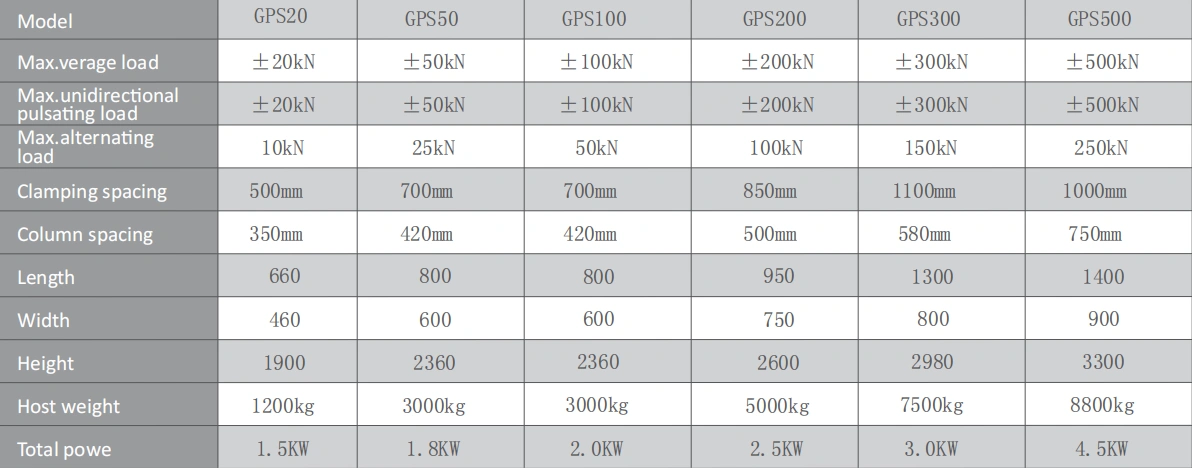
GPS 20: 660*460*1950 mm;GPS 50: 800*600*2400 mm;GPS 100: 800*600*2400 mm;GPS 200: 950*730*2600 mm

GPS 300: 1300*800*2950 mm;GPS 500: 1400*900*3300 mm

Electrical box: 600*650*1200 mm

Error relativo de carga promedio: ± 0.5% (4% - 100%)

Fluctuación de carga alterna: ± 0.5% F.S

Fluctuación de carga promedio: ± 0.5% F.S

Rango de frecuencia: 60-300 Hz

Videos of high frequency fatigue testing machine

Demo of high frequency fatigue testing machine

Introduction of high frequency fatigue testing machine

Chain testing of high frequency fatigue testing machine(GPS Series)

Detailed Specification of high frequency fatigue testing machine

The Electromagnetic Resonance High-Frequency Fatigue Testing Machine is primarily designed for evaluating the fatigue and fracture mechanics properties of metallic materials and components. It performs tensile, compressive, and tension-compression alternating load tests, as well as fatigue crack pre-cracking at high frequencies.

-Key Applications

Material Testing: Mainly used to assess the fatigue fracture performance of various metallic materials.

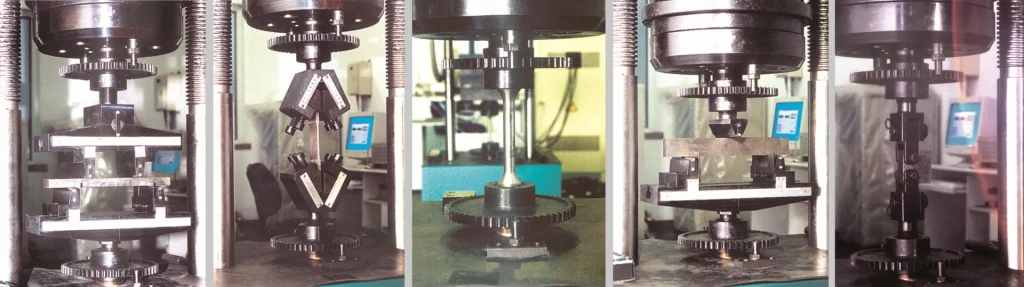
Component Testing: Equipped with specialized fixtures, it can conduct fatigue tests on specific parts such as gears, chains, rivets, bolts, sucker rods, and automotive connecting rods.

-Environmental Capabilities

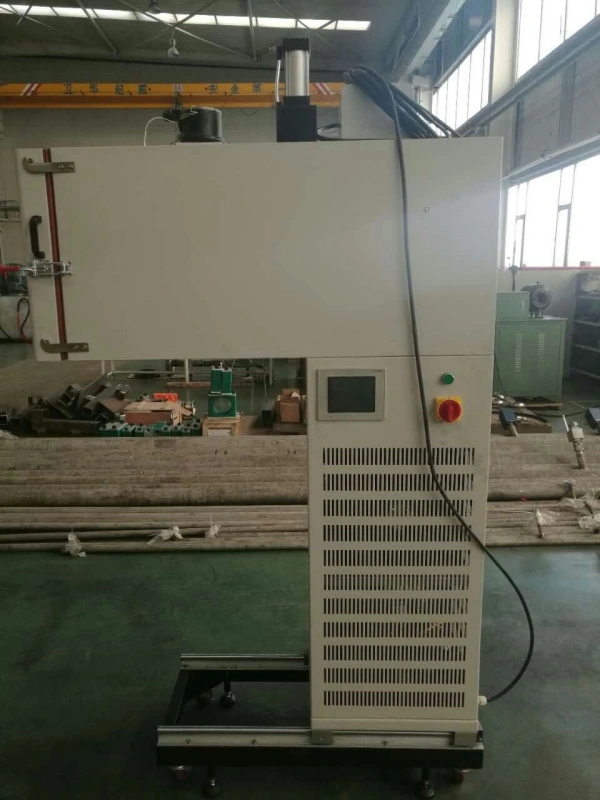
Low/High Temp: When equipped with an environmental chamber, it performs tests ranging from -70°C to 350°C.

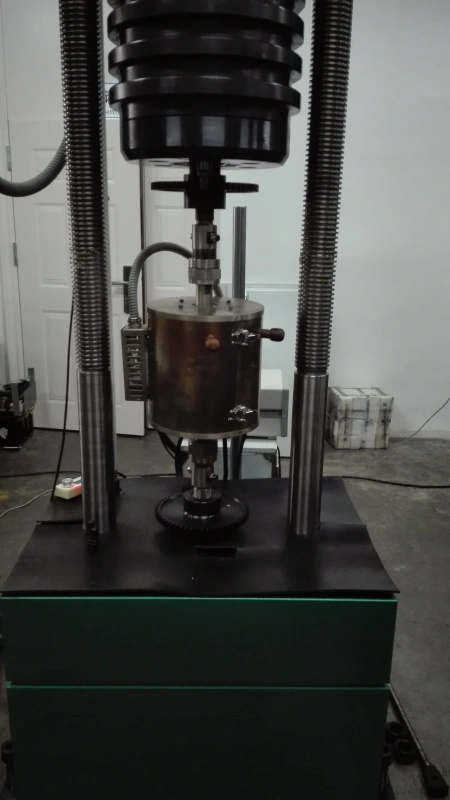
Ultra-High Temp: When equipped with an atmospheric furnace, it supports high-temperature testing from 300°C to 1100°C.

▪FOB

▪CIF

▪Paquete: Caja de madera
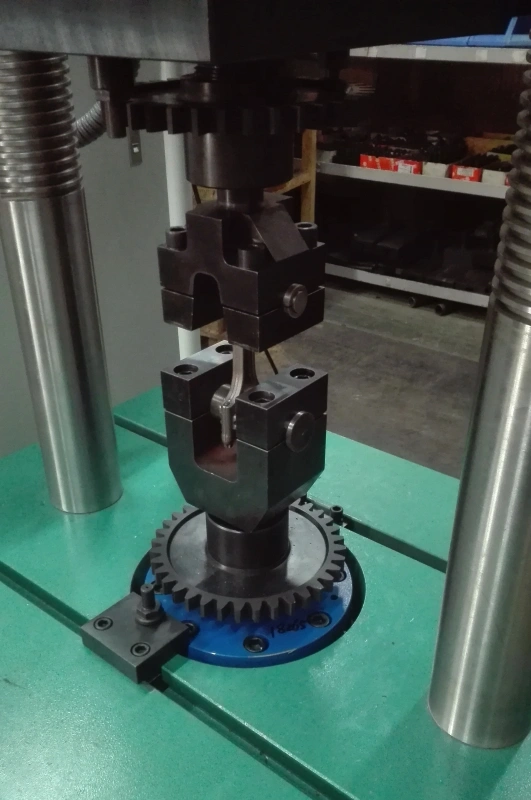
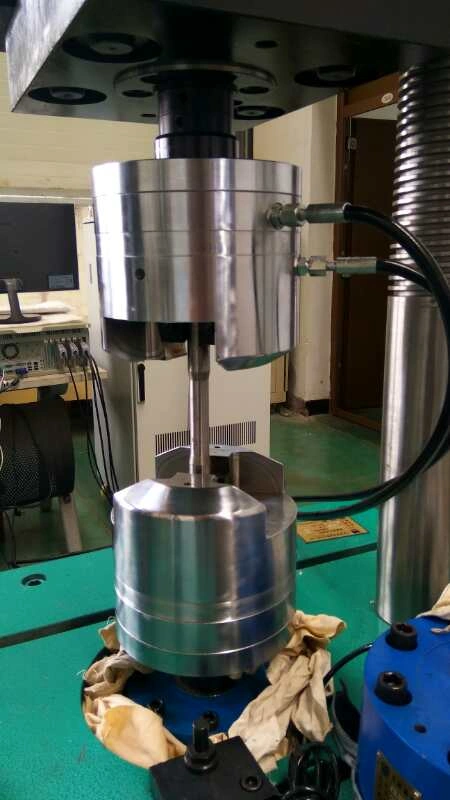
20t High-frequency connecting rod test

http://www.camcjsw-testmachines.com/wp-content/uploads/2026/04/Thin-sheet-spot-weld-fatigue.webp

http://www.camcjsw-testmachines.com/wp-content/uploads/2026/04/Gear-fixture.webp

http://www.camcjsw-testmachines.com/wp-content/uploads/2026/04/High-frequency-hydraulic-grip.webp

http://www.camcjsw-testmachines.com/wp-content/uploads/2026/04/Chain-fixture.webp

http://www.camcjsw-testmachines.com/wp-content/uploads/2026/04/Bolt-fixture.webp
Rivet-fixture

Carbon-fiber-sheet
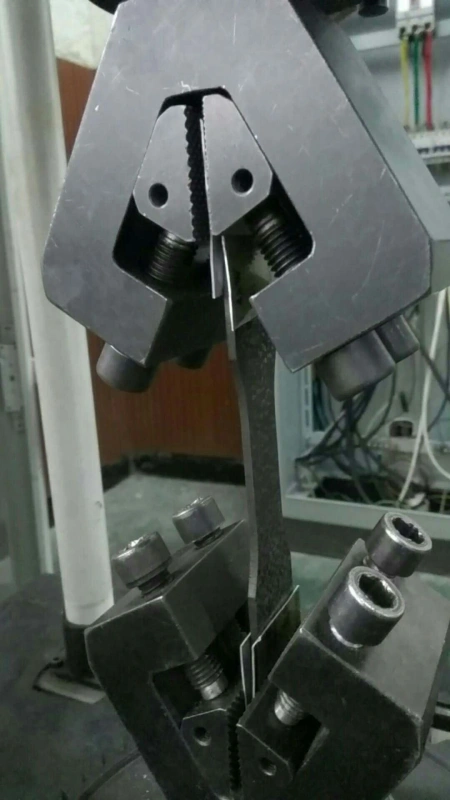
Thin-rebar-grip

Fine-wire-grip
Deformed-bar-fatigue-fixtureSelf-aligning-sheet-grip
Three-or-Four-point-bending-fixture

http://www.camcjsw-testmachines.com/wp-content/uploads/2026/04/Equipped-with-Environmental-Chamber-70350℃-optional.webp
Equipped with Environmental Chamber(-70~350℃ optional)
Equipped-with-Atmospheric-Furnace-3001100℃-optional
Equipped with Atmospheric Furnace (300~1100℃ optional)

Application Standards

Chinese Standards

JB/T 5488-1991: High Frequency Fatigue Testing Machine

JJG 556-2011: Verification Regulation of Axial Force Fatigue Testing Machines

GB/T 2611: General Requirements for Testing Machines

GB/T 3075: Metallic materials — Fatigue testing — Axial force controlled method

HB 5287: Test Method for Rotating Bending Fatigue of Metallic Materials at Elevated Temperature

Core Test Methods

ISO 1099: Metallic materials — Method of test for the determination of fatigue properties under uniaxial loading conditions

ASTM E466: Standard Practice for Conducting Force Controlled Constant Amplitude Axial Fatigue Tests of Metallic Materials

ASTM E399: Standard Test Method for Linear-Elastic Plane-Strain Fracture Toughness of Metallic Materials

ISO 12106: Metallic materials — Fatigue testing — Axial strain-controlled method

ASTM E606/E606M: Standard Test Method for Strain-Controlled Fatigue Testing

Specialized Performance Tests

ASTM E647: Standard Test Method for Measurement of Fatigue Crack Growth Rates

ASTM E739: Standard Practice for Statistical Analysis of Linear or Linearized Stress-Life (S-N) and Strain-Life (ε-N) Fatigue Data

Specific Products & Applications

ISO 1143: Metallic materials — Rotating bending fatigue testing

ISO 3800: Threaded fasteners — Fatigue testing

ASTM F1717 / ISO 12189: Standard Specification for Spinal Implant Constructs in a Vertebrectomy Model / Implants for surgery — Mechanical testing of endoprostheses for spinal application

Project Case of high frequency fatigue testing machine

Principio de funcionamiento

The Electromagnetic Resonance High-Frequency Fatigue Testing Machine operates based on the principle of system resonance, with its main unit optimized using a multi-degree-of-freedom mechanical model.

Mechanical System Composition

The machine forms a mechanical vibration system primarily consisting of:

-The Frame

-Electromagnetic Exciter

-Main Vibration Spring

-Force Sensor

-Specimen

-Configured Mass of the main vibration system

Resonance Mechanism

Vibration is excited and sustained by the electromagnetic exciter. When the frequency and phase of the exciting force generated by the exciter align closely with the natural frequency of the vibration system, resonance occurs.

Testing Action

In this resonant state, the inertial force generated by the configured mass acts reciprocally upon the specimen, thereby conducting the fatigue test.

Electrical Control System

  1. Core Architecture & Performance:

-Digital Control Architecture: Features a dual-CPU core unit (FPGA + DSP) comprising three functional modules: Mean Load Control, Alternating Load Control, and Digital Acquisition.

-High-Speed Communication: Utilizes a high-speed Ethernet interface for stable, reliable data transmission with rates exceeding 200 MHz.

-Processing Power: Equipped with a 32-bit internal processor and high-speed D/A and A/D conversion units.

-Modular Design: Standardized hardware modules ensure stability and ease of maintenance.

-Data Integrity: Maximum sampling frequency of 20 kHz; guarantees distortion-free data transmission at test frequencies below 500 Hz.

-Expandable I/O: Supports expansion for both analog and digital measurement channels.

-Analog: Adjustable gain amplification module for 20 kHz AC/DC excitation.

-Digital: Accepts Encoder and SSI signals.

  1. Control Modules:

-Mean Load Control Module:

Driven by an AC servo motor with stepless speed regulation.

Implements Digital PID closed-loop control for high precision and strong anti-interference capability.

Capable of performing static tests (tension, compression, bending) via this closed-loop system.

-Alternating Load Control Module:

Processes load cell signals via the high-speed acquisition module (decomposition, processing, and phase control).

Real-time pulse signal adjustment controls the power amplifier and electromagnet for stable loading.

Forms a complete closed-loop system via load sensor feedback, ensuring smooth alternating load control.

-Data Acquisition Module:

Responsible for the acquisition, signal processing, calculation, and storage of sensor data (Load, Displacement, and Deformation).

Software System

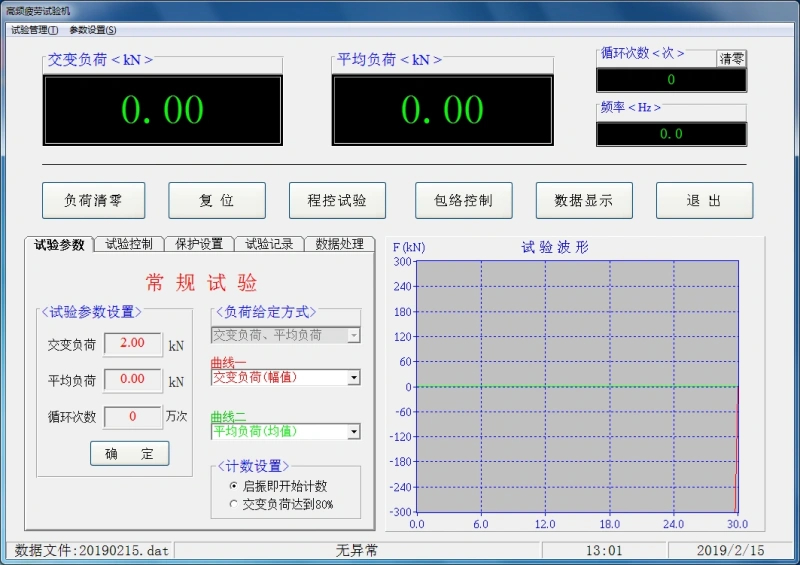
Core Application:GPSTestExpert V2.0 Dynamic Test Software included.

Key Features:

-Modular Architecture: Decouples the user interface from testing functions and algorithms for enhanced flexibility.

-Multi-tasking Parallel Processing: Simultaneously handles load control, data acquisition, analysis, processing, and visualization/storage.

-Advanced Data Analysis: Utilizes test comparison methods and critical threshold判定 (judgment) for data fusion and comparative analysis.

-Integrated Validation: Employs hardware-software integration debugging to correct defects and verify software reliability and algorithm precision.

es_ESSpanish