
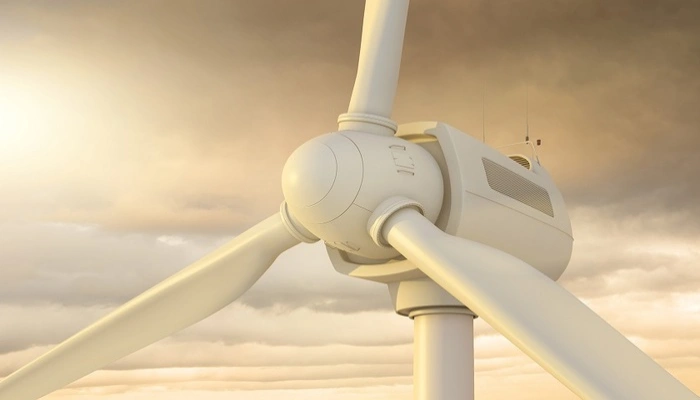
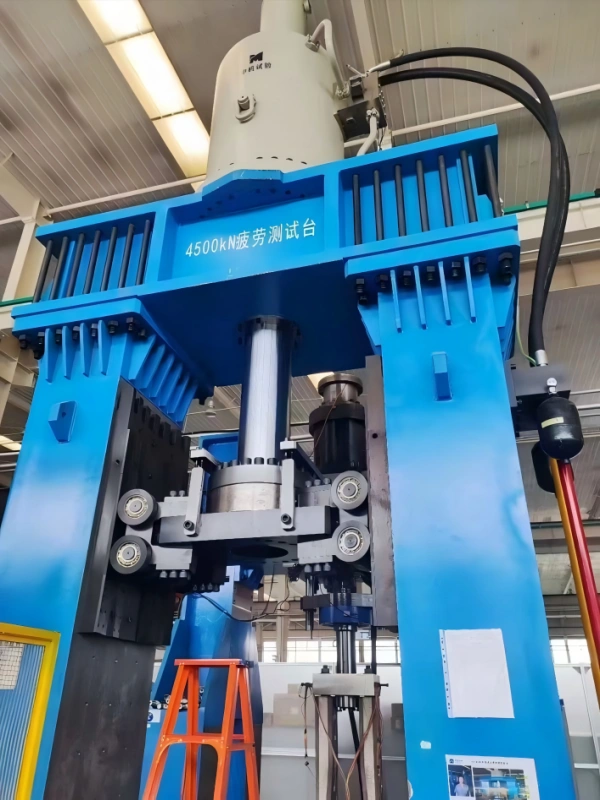
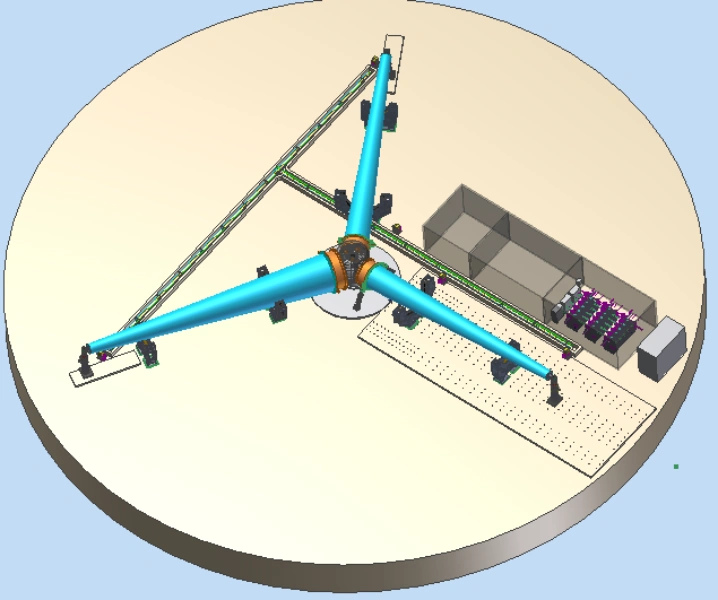
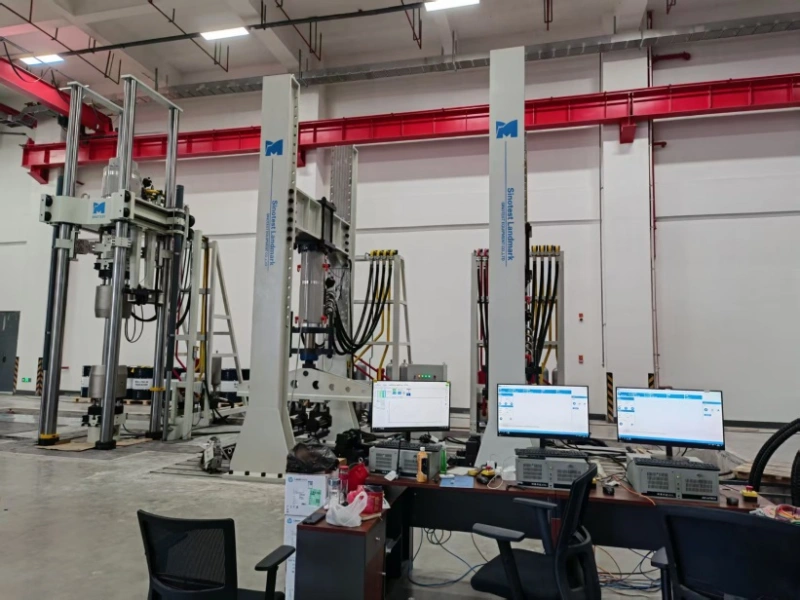
The structural integrity of wind turbine blades is critical for operational safety and long service life. To ensure this, our testing platform focuses on structural strength, operational performance, and environmental adaptability. Furthermore, the SINOTEST Fatigue Testing Rig applies millions of load cycles to accurately simulate the alternating stresses a blade endures over 20–25 years of operation. As a result, this key test, which can run for several weeks to months, is instrumental in determining the overall service life of the blade.
.webp)
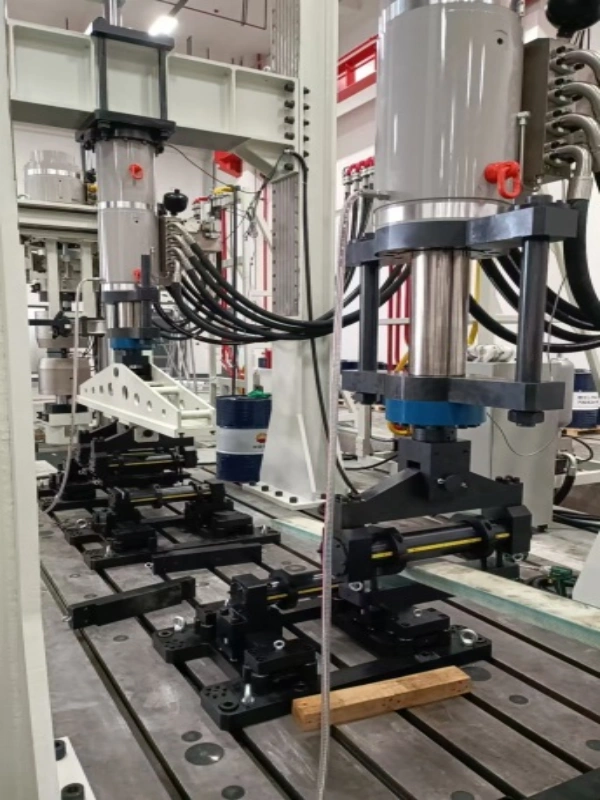
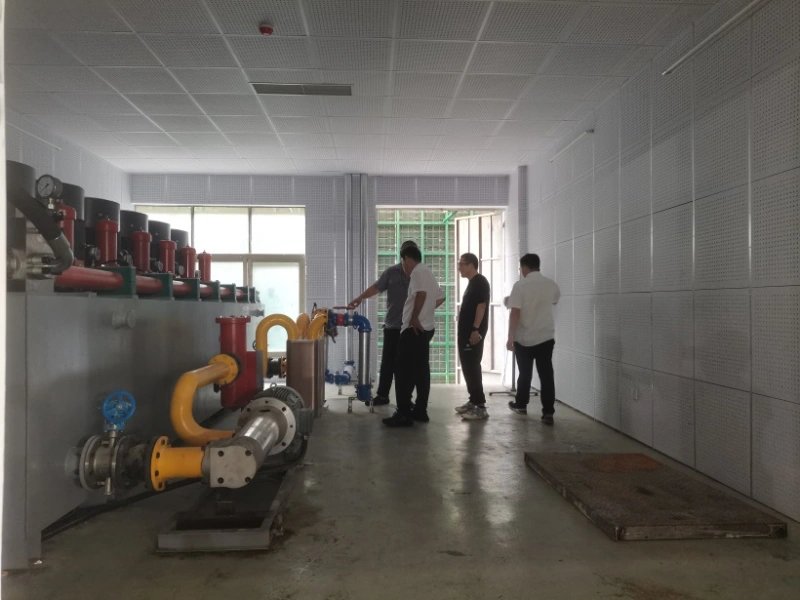
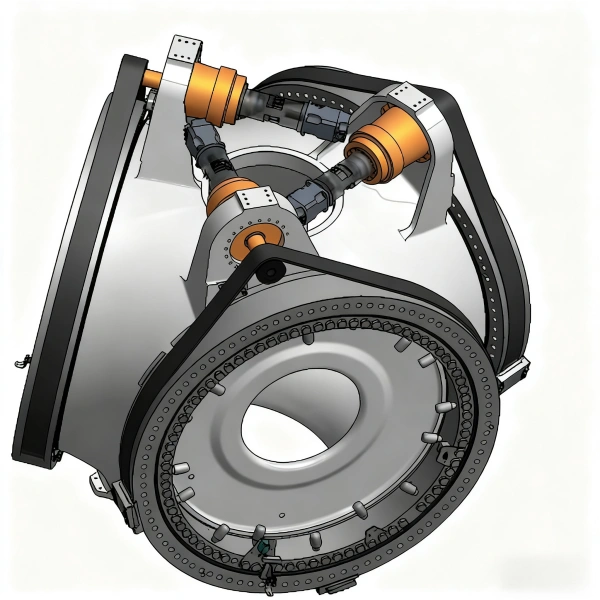
Precise pitch control is essential for both wind turbine efficiency and safety. In essence, it is the process of adjusting the blade angle to manage wind energy capture and rotational speed. By primarily manipulating the pitch angle, the system achieves three critical functions:
Maximizing Power Generation Efficiency: At low wind speeds, the system adjusts the blades to an optimal position (close to 0°) to capture the maximum amount of wind energy.
Limiting Turbine Speed: When wind speeds exceed safe levels, the system increases the blade pitch angle. As a direct consequence, this reduces the wind-facing area, preventing component damage from excessive rotational speed.
Enabling Emergency Shutdown: In extreme weather or during equipment failures, the system rapidly feathers the blades to a 90° angle. This causes the turbine to quickly stop rotating, thereby ensuring the equipment’s safety.
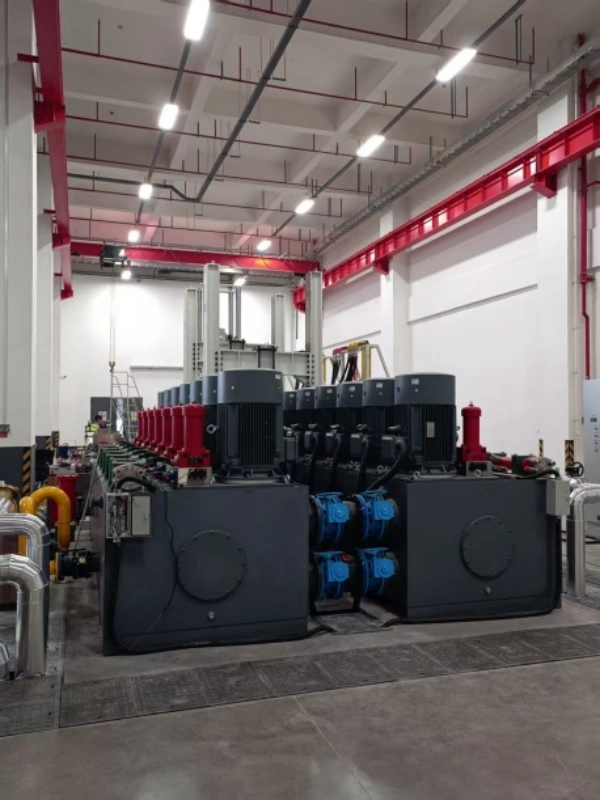
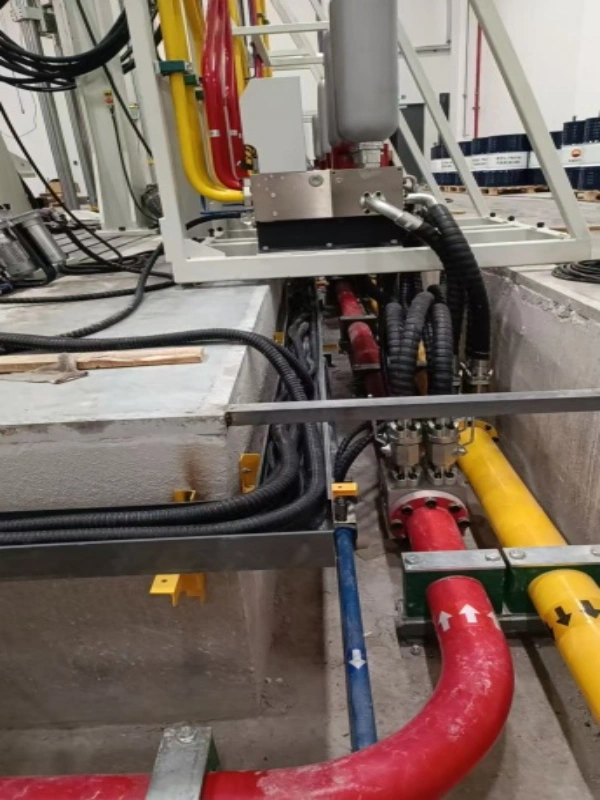
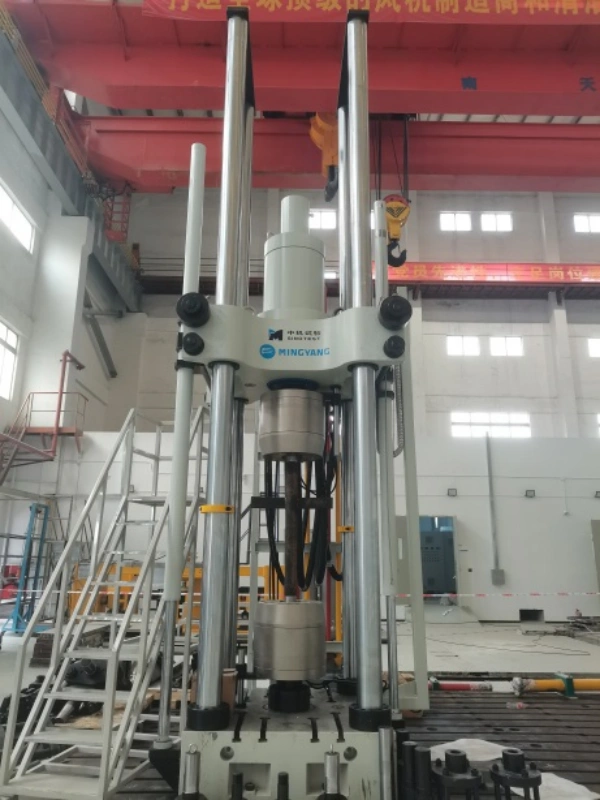
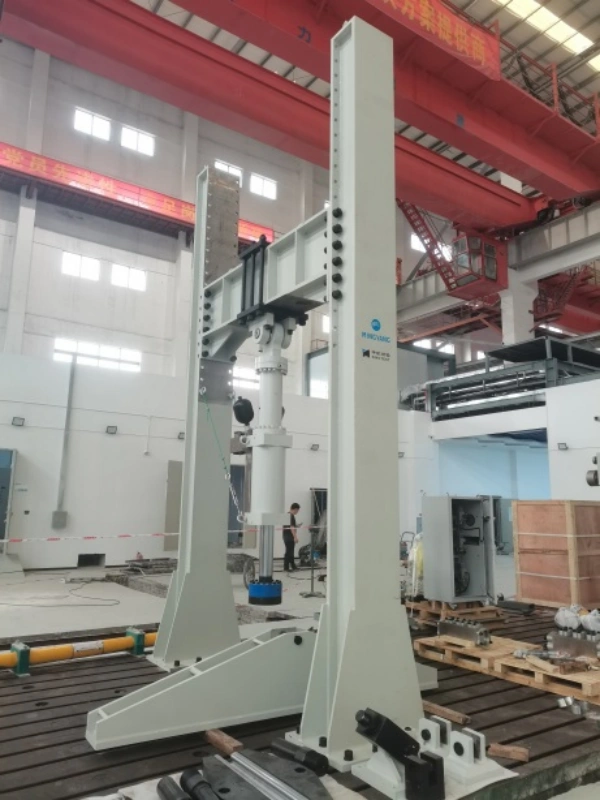
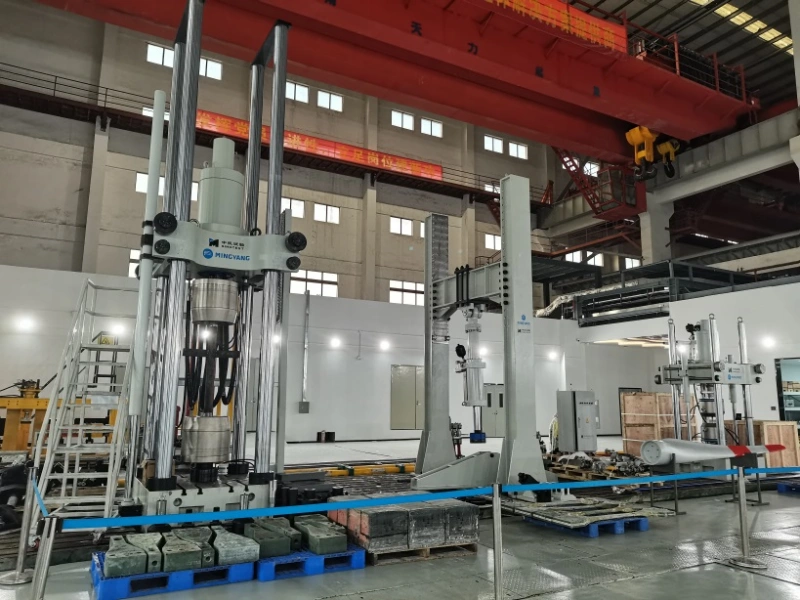
To rigorously validate these functions, the SINOTEST Pitch Mechanical Testing Rig employs advanced electro-hydraulic servo loading technology. Moreover, by combining a high-frequency response actuator system with a sophisticated controller, the rig can perform a variety of tests, including linear loading, planar loading, and torque loading evaluations on pitch bearings.
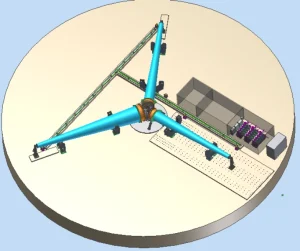
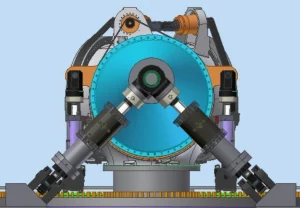
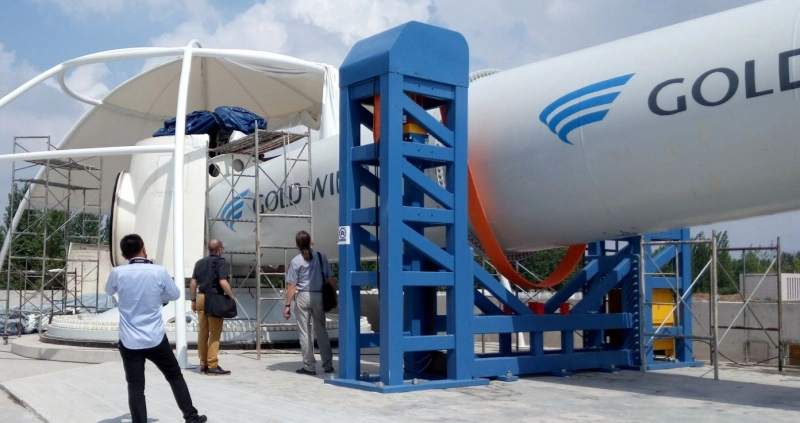
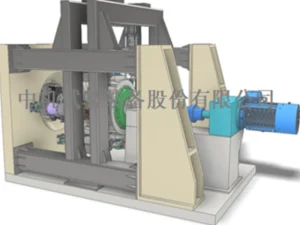
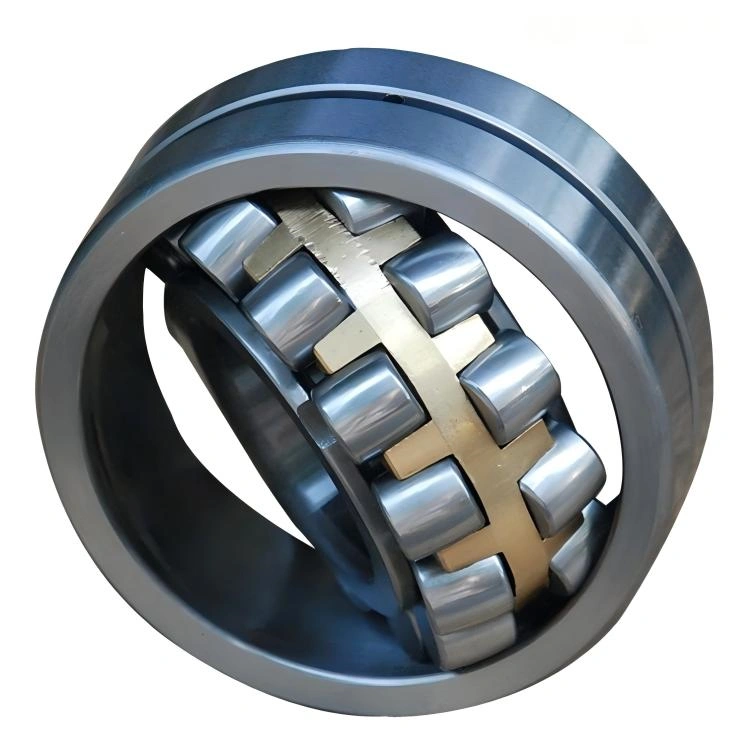
The reliability of a wind turbine’s drive train is wholly dependent on the performance of its bearings under immense and fluctuating loads. To address this, our Bearing Component Testing Rig is designed to simulate these real-world conditions for a range of applications, including:
Scaling tests on main shaft bearings under simulated wind loads.
Comprehensive evaluations of yawing bearings.
Load simulation and performance verification for gearbox shaft bearings.
Ultimately, this ability to replicate complex, multi-axial load profiles in a controlled setting is vital for guaranteeing turbine uptime and longevity.
Application:
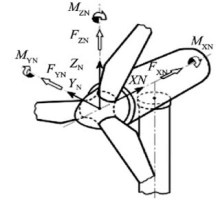
Conduct scaling tests on various spindle bearings through simulation of wind loads.
Parameters:
Axial (Fx) load: 1000kN
Radial (Fy) load: 20kN
Radial (Fz) load: 1300kN
Pitching moment (My): 350kNm
Yawing moment (Mz): 250kNm
Driving speed: 27~270rpm
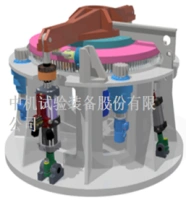
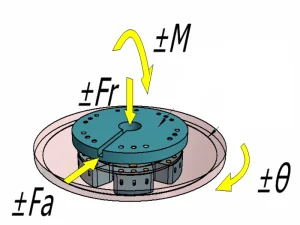
Application:
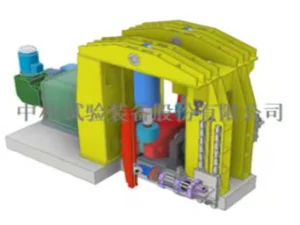
Conduct scaling tests on various yawing bearings by simulating wind loads.
Parameters:
Axial load: 2200kN
Radial load: 200kN
Bending moment: 1600kNm
Driving speed: 0.98rpm
Application:
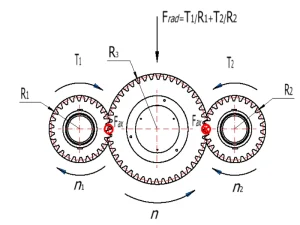
Conduct scaling tests on various gearbox shaft bearings through load simulation.
Parameters:
Radial load: 6000kN
Overturning moment: 650kNm
Bending moment: 650kNm
Drive speed: 0.2~200rpm
 English
  Spanish
  Russian